
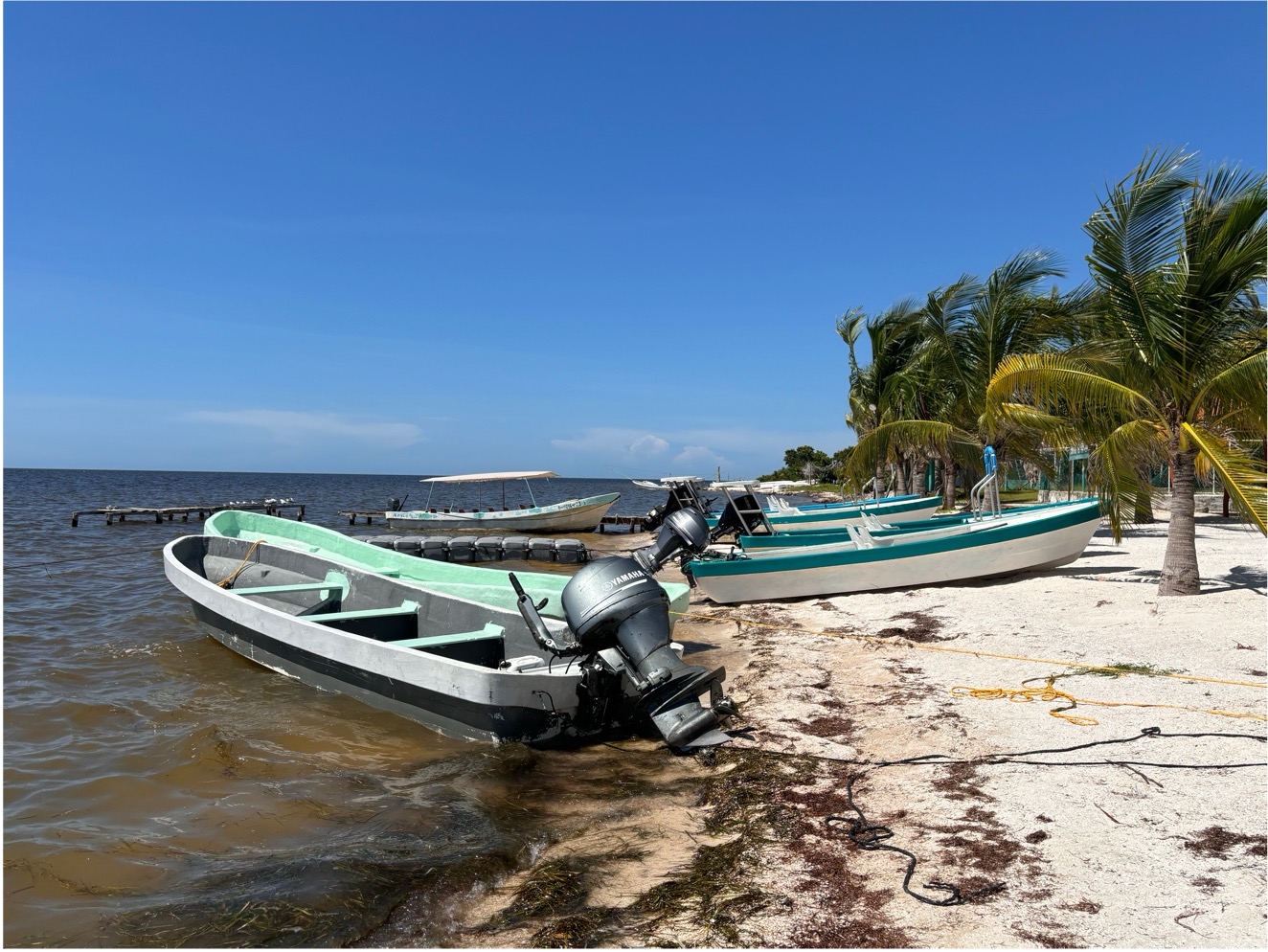
UT students have the opportunity to take Marine Botany Field Research Experience (MNS 352D) on the coast of Mexico’s Yucatan Peninsula. The Marine Botany May Term course immerses students in the diverse coastal ecosystems of Celestún and Isla Arena, Mexico.
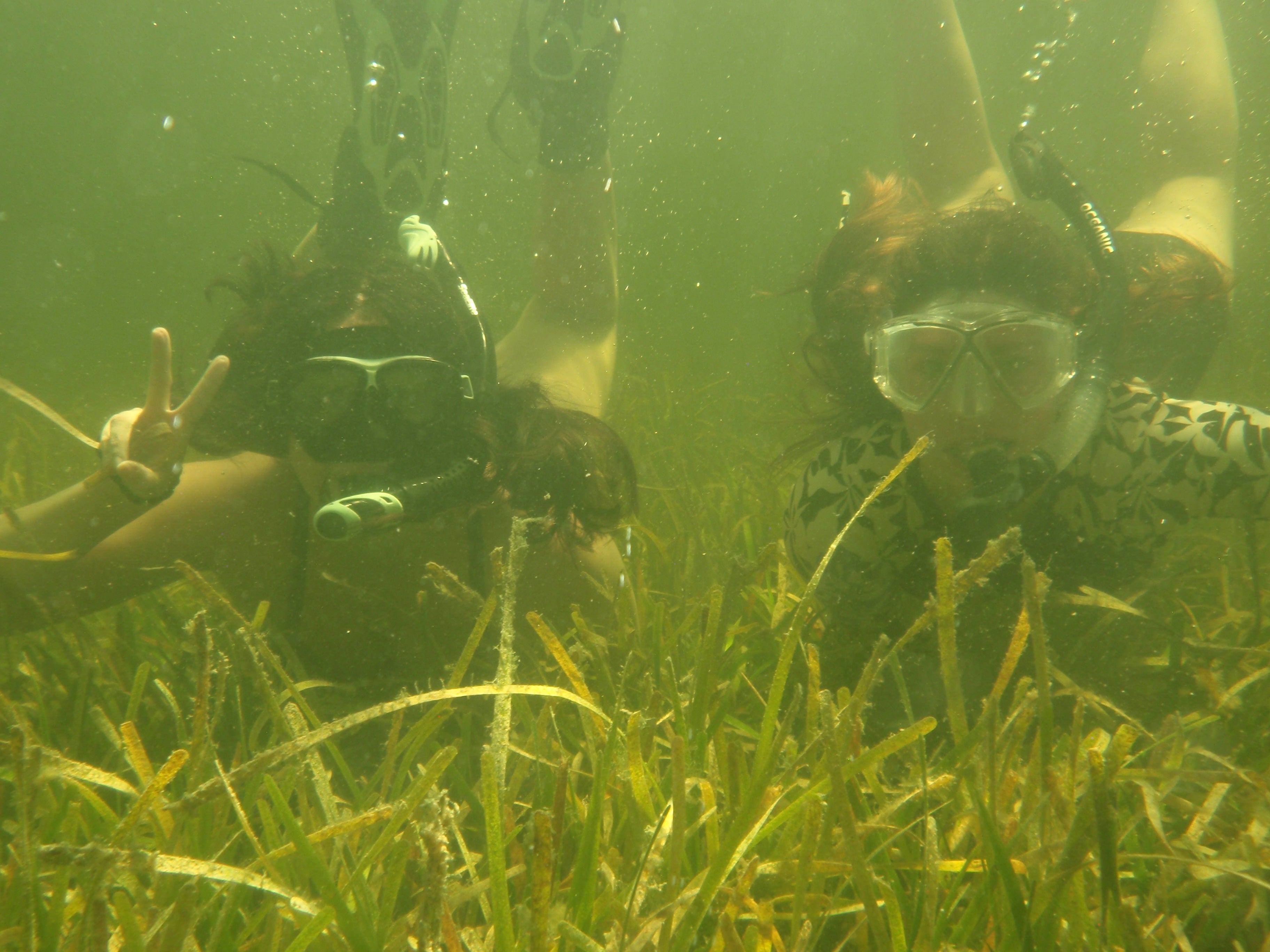
Through studying the diverse ecosystems of the Ria Celestun and Los Petenes Biosphere Reserves, including seagrass meadows, mangrove forests, coral reefs, algae, and freshwater-fed petenes, students explore how tourism, coastal development, and other human activities impact watersheds, ecological function, and the valuable ecosystem services that support both nature and local communities.
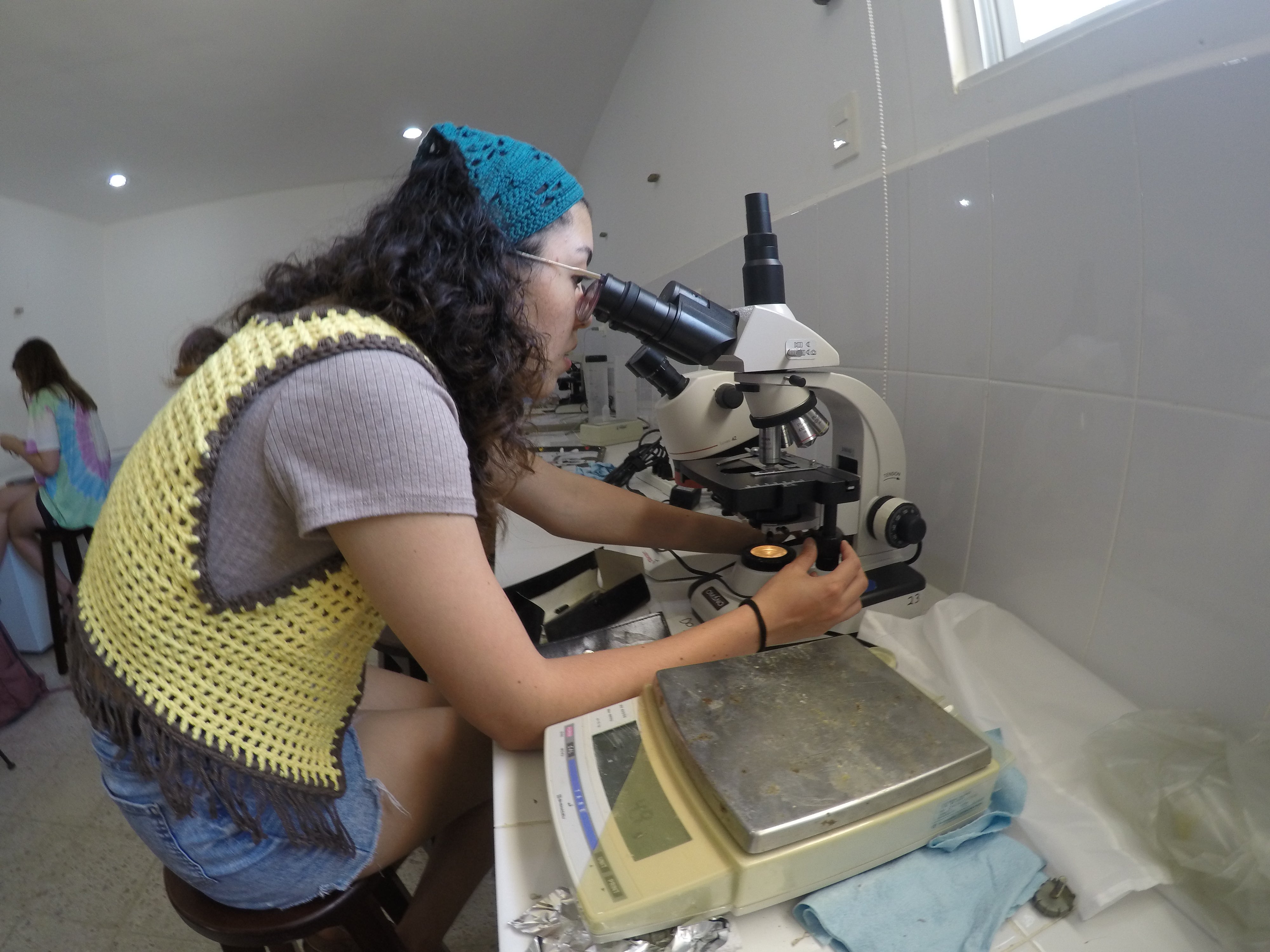
Working in small research teams, students collect and analyze ecological data that support local conservation initiatives. This interdisciplinary experience combines scientific inquiry, cultural understanding, and hands-on research to address real-world environmental changes.
Applications for this program are now open! Scroll to the bottom of this page to check eligibility and start your application today!
Required Courses
|
NSC 119 |
International Learning Seminar Spring semester, before departure |
|
MNS 352D |
Field Experience in Marine Botany Taken abroad in Celestún, Yucatan during May Term |
Program Faculty
Ken Dunton
Dr. Ken Dunton’s research is focused on estuarine, coastal, and shelf processes. In Texas, his studies address the sources and fate of organic matter, with specific emphasis on coastal wetlands, including marshes, seagrasses, and mangroves. He directs the state-wide monitoring program on Texas seagrasses and a 35-year monitoring program in the Laguna Madre. In addition to his work in Texas, Ken continues long-term marine studies in the Arctic Ocean. His interests are focused on the ecology of kelp beds and the nearshore lagoons of the Alaskan Beaufort Sea. As the founding director of the Beaufort Sea Lagoons Ecosystems (BLE), the first marine LTER (Long Term Ecological Research) in the Arctic, Ken coordinates interdisciplinary studies to better understand the land-ocean linkages of the pan-Arctic.
Sharon Herzka
Sharon Herzka’s research delves into the dynamics of marine ecosystems, with a particular focus on the Gulf of Mexico basin. She investigates the early life history, habitat use, and dispersal of marine fishes, especially larval communities. She explores how physical oceanographic features—such as eddies and currents—shape fish distribution and connectivity. As a stable isotope ecologist, she uses bulk and compound-specific stable isotope ratios to trace nutrient sources and food web dynamics, map migratory fish feeding areas, and understand the nitrogen sources that support secondary production. Her interdisciplinary approach blends marine biology, chemistry, and physical oceanography, and she often collaborates with ecologists, molecular biologists, and oceanographers across institutions.
Program Highlights
- Explore two national biosphere reserves: Ria Celestún and Los Petenes, home to flamingos, waterfowl, and extraordinary biodiversity
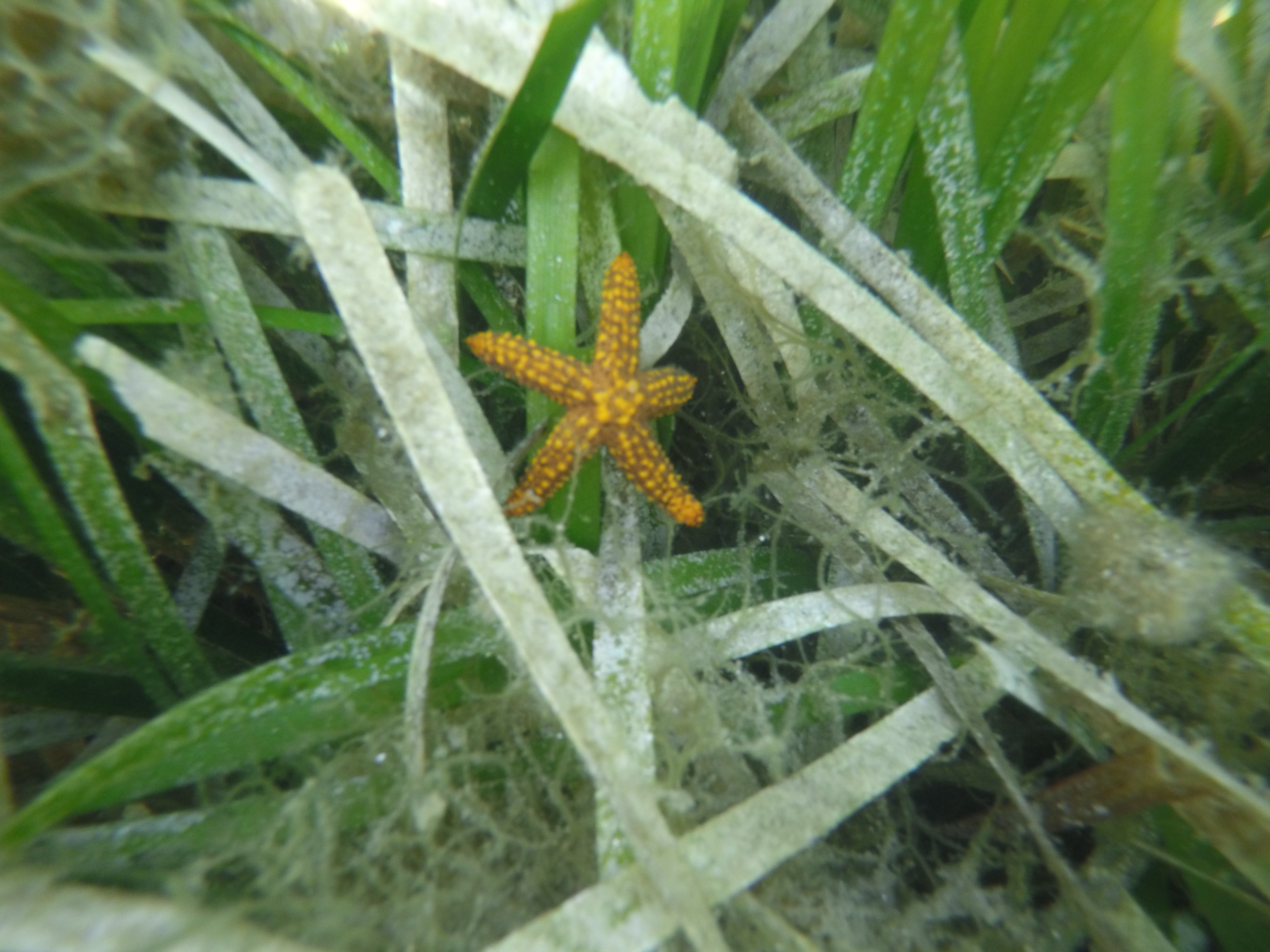
- Study seagrass beds, mangrove communities, coral reefs, and algae in hands-on field settings
- Conduct independent team research contributing real data to local NGO conservation efforts
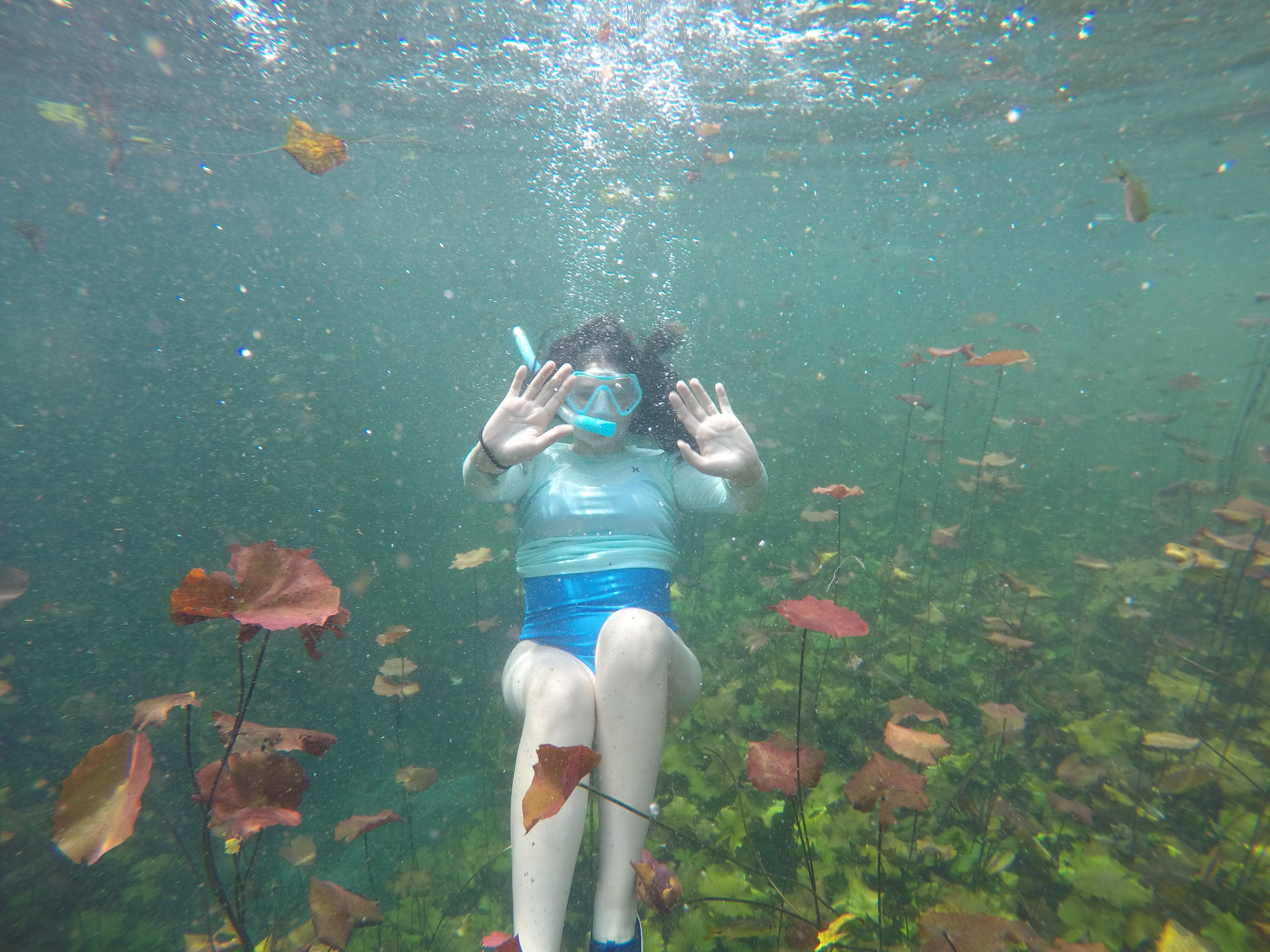
- Snorkel cenotes and explore the unique limestone-fed freshwater ecosystems
- Stay at DUMAC research station in Celestún and Centro Eco-sturistico Carey at Isla Arena
-
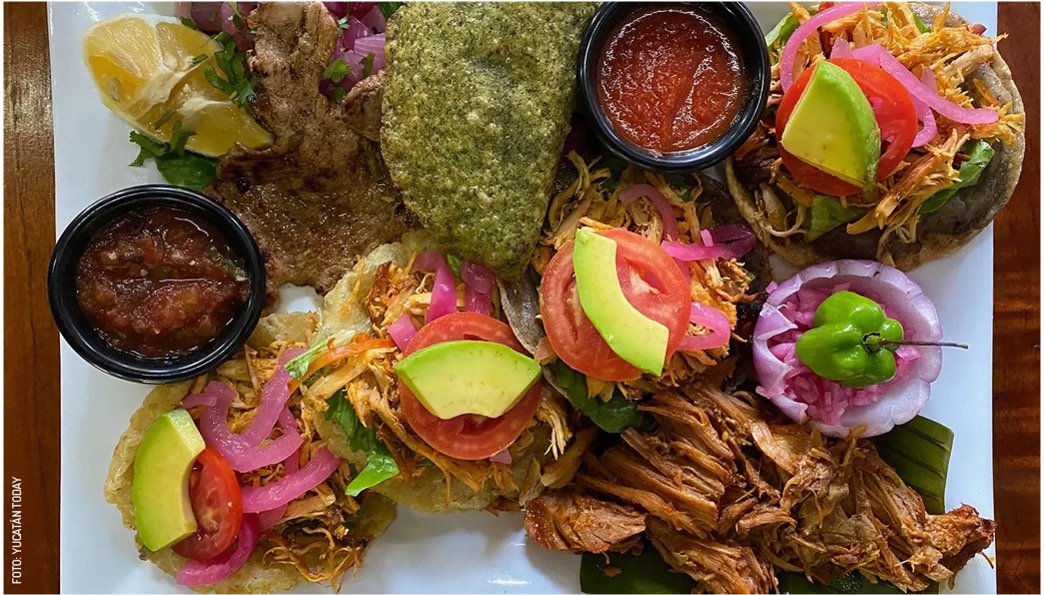
Experience Mayan culture and cuisine in the Yucatan Peninsula, about one hour from Merida
2027 Program Dates
Subject to change
- NSC 119 Spring Seminar: January 11 – May 3, 2027 (prerequisite spring course)
- May 9 – May 27, 2027 (19-day field program in Yucatan)
- June 1 – June 4: Online wrap-up meetings; May Term ends June 4
Review the brochure below for more details and a comprehensive list of important dates.
Cost & Eligibility
- Open to UT students in good academic standing with upper division standing
- Recommended minimum GPA: 2.6
- Prerequisites: Biology 311D and CH 302 (or equivalent), plus six additional hours of upper-division coursework in marine science, ecology, biochemistry, biology, or a related field (check with program coordinator if you have questions about prereqs)
- Program fee (~$2,750) includes housing, local transportation, meals, boat trips, and airport transfers
- Roundtrip airfare to Merida (Mexico) (~$500–600), insurance, and personal expenses not included
- No visa required for U.S. citizens; all federal, state, and UT institutional financial aid accepted
- Scholarship options available through LASSO
- Marine Botany emphasizes independent research, students that enroll in the Semester by the Sea program in spring 2027 will be given priority for Marine Botany May Term in Mexico program. Students that require additional financial support to participate in the Semester by the Sea program are strongly encouraged to directly contact instructors Ken Dunton or Sharon Herzka.
| Program fee | $2,750 |
| Estimated Round-trip Airfare (Merida) | $600 |
| UT International Emergency Insurance | $95 |
| Administrative Fee (Texas Global Portal) | $75 |
| Total estimated cost | $3,520 + |
Sample Activities
Subject to change
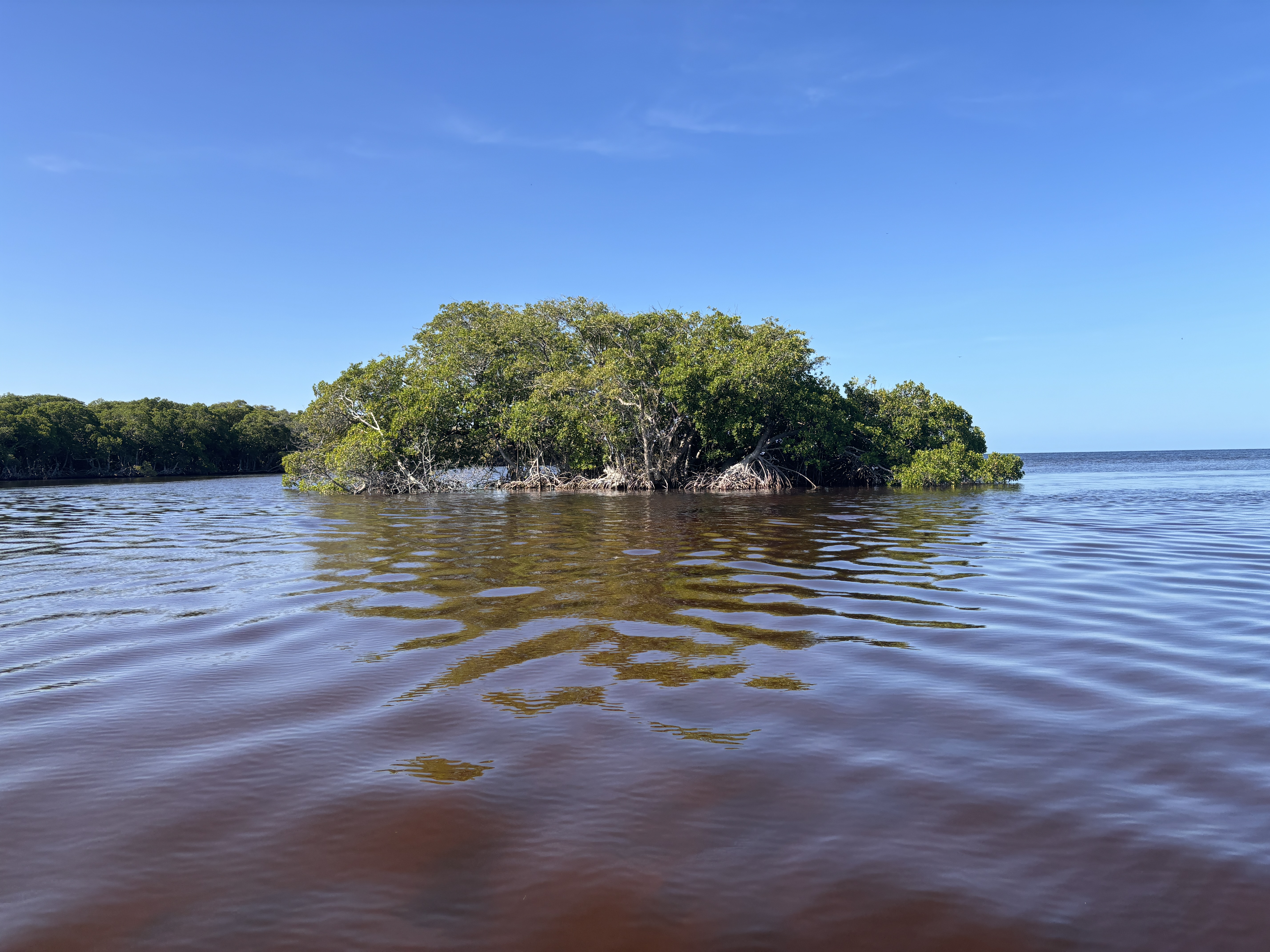
- Boat surveys of seagrass meadows and mangrove channels in the Ria Celestún lagoon system
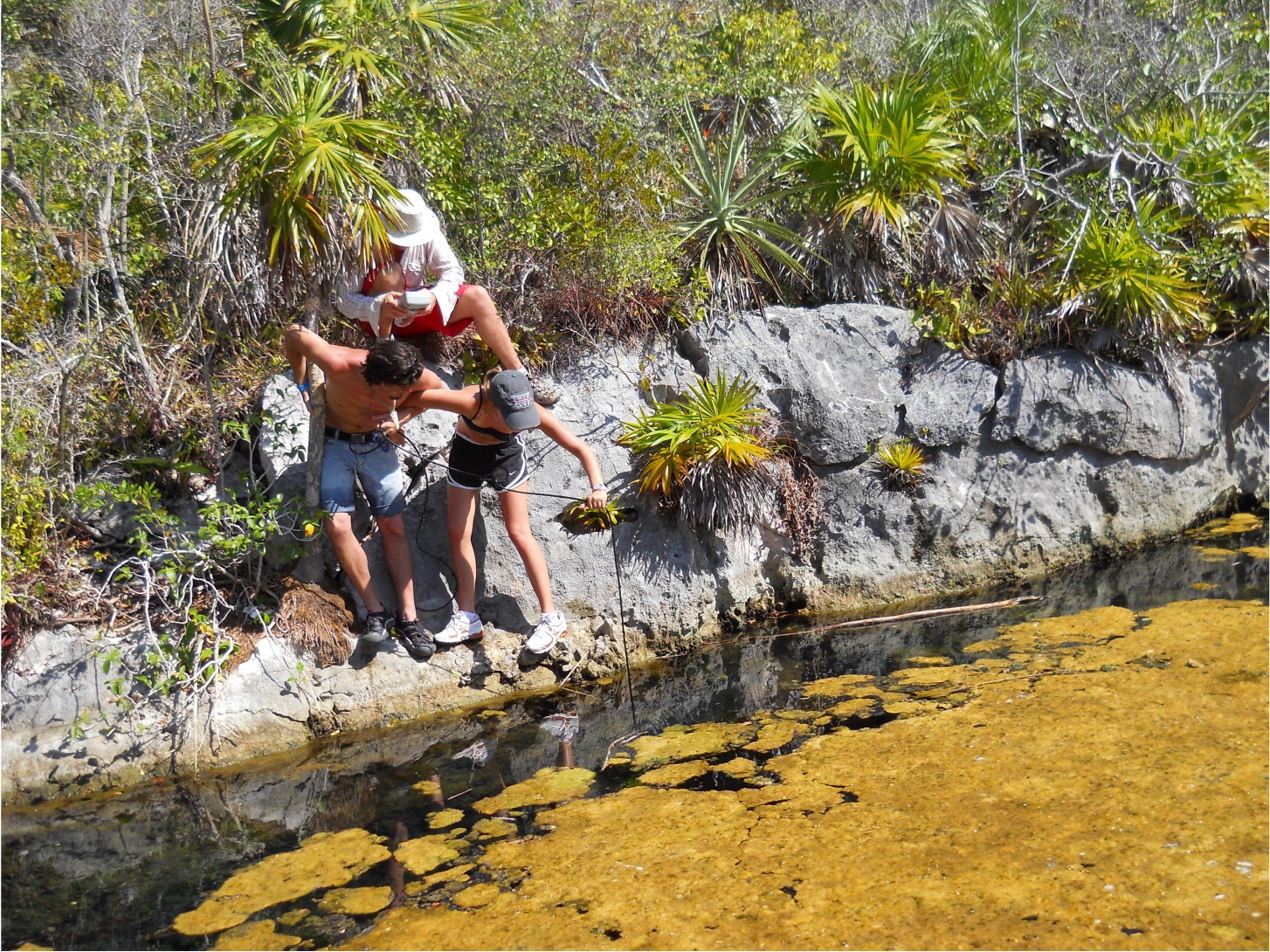
- Water quality, plant community, species composition, and sediment sampling for NGO conservation data
- Visit ongoing mangrove restoration sites and observe community-based conservation in action
- Swim in cenotes and explore the unique geology of the Yucatan’s porous limestone landscape
-
Team-based independent research project with oral presentations and a final written report
Apply Now!
The Marine Botany Field Research Experience in Mexico, May Term application for 2027 is now live. Follow the link below to submit an application.
Marine Botany Study Abroad - May Term 2027
Upcoming Info Sessions
Join up at this upcoming info session to learn more about the Marine Botany Field Research Experience in Mexico May term program.
Marine Botany Field Research in Mexico Info Session - in person
Tuesday, October 20th, 2026 from 6:00 - 7:00pm
Room POB 2.402
Contact olivia.smiaroski@austin.utexas.edu with questions
Want to get updates related to this program? Follow the link below to join the interest list.
Want more guidance? CNS Undergraduates can make a “Study Abroad & International Opportunities Advising" Appointment with our team in 12twenty@Texas.